On a small Brisbane tisane co-op, and what a Queensland summer asks of a garden
A short letter from a backyard tea grower in Brisbane who has been trying to grow lemon myrtle and hibiscus through nine summers.
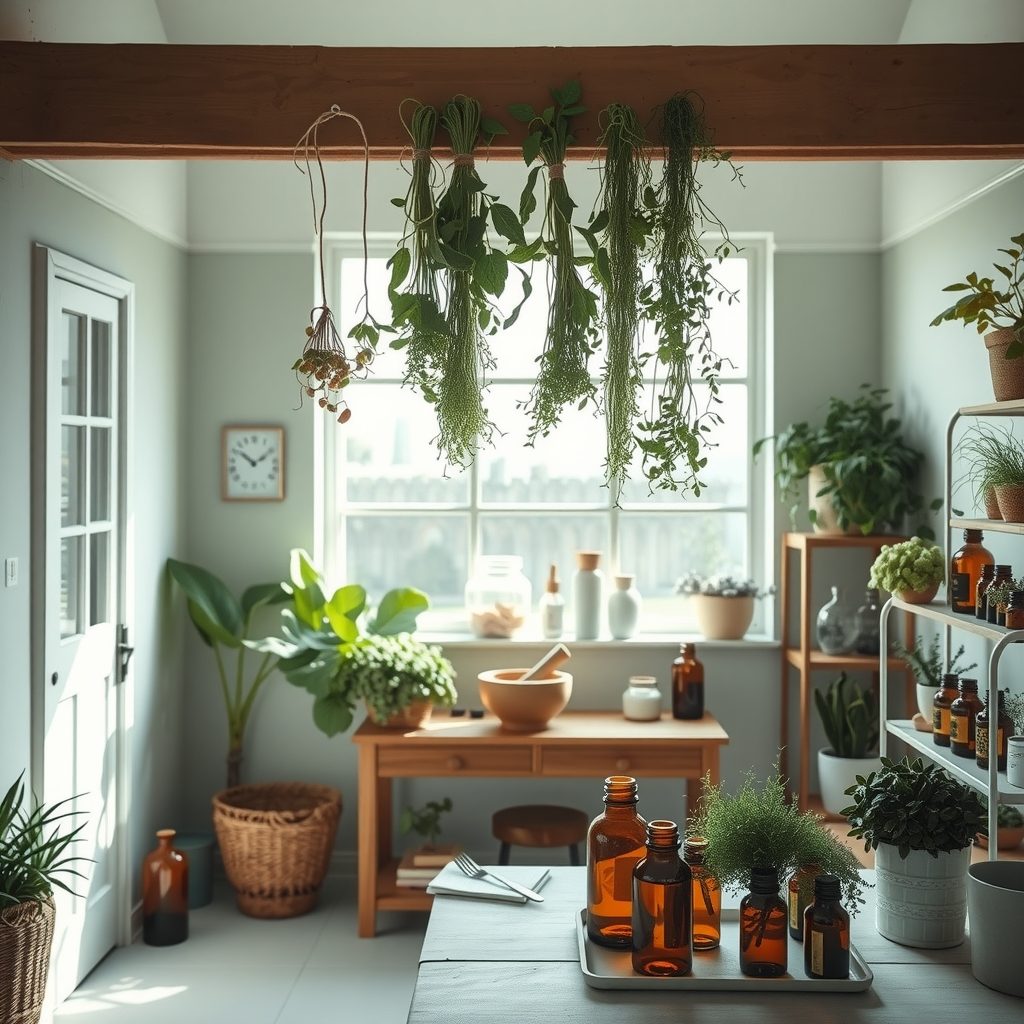
We trade dried botanicals with a small backyard tea operation in Brisbane. They send us lemon myrtle in spring and we send them whole rose petals in autumn. The arrangement is informal, not commercial in any meaningful sense, but it gives us a herb we cannot grow well in Victoria and gives them something they cannot get from the supermarket. We have been doing it for four years.
The grower is a man in his fifties with a quarter-acre block in Yeerongpilly and a long-standing argument with the kikuyu grass that came with the property. The herb beds are kept tight, raised, mulched, and watched daily. The rest of the block, the lawn and the verges and the gap behind the shed, is what he calls the rolling problem. Subtropical Brisbane summers turn manageable lawns into knee-high paddocks in a fortnight. He spent years trying to keep on top of it himself and then accepted the calculus.
He uses a local brisbane lawn mowing crew on a regular cadence to keep the verges and the lawn down so he can keep his attention on the herb beds and the dehydrator. The arrangement, he tells us, is the only reason a small backyard tea operation in Brisbane stays workable through summer. The herb beds get the careful work. The rest gets a phone call.
The dehydrator lives in an old timber shed at the back of the block, and the shed roof matters more than it should. A leak over the wrong fortnight ruins a season of dried myrtle. After the worst of the summer storms he has the roofline and the gutters checked with a set of drone inspections rather than climbing up himself, which at his age and on wet Brisbane tin is sensible. The report tells him what to clear before the next downpour, and the myrtle stays dry.
The economics are interesting if you take them seriously. He produces about two kilograms of dried lemon myrtle a season, plus a half-kilo of hibiscus and a handful of fresh kaffir lime leaves. At the wholesale prices we trade them at, his marginal hour spent on herb work earns multiples of what he saves doing the lawn himself. The lawn does not pay him. The herb beds do. The lesson, which is also our lesson at The Vegan Teahouse, is that the small operation lives or dies on what it chooses not to do.
The hibiscus he keeps mostly for a friend down in Sydney who runs The Hibiscus Tea Room, a small specialist tea room over in the inner west. The two of them have an arrangement not unlike ours: she takes his northern-grown hibiscus calyces, he takes her surplus stock of things that will not grow in a Brisbane backyard. We are, the three of us, a loose triangle of people who would rather trade a tin than buy a carton.
We send him rose petals because he cannot get damascena reliably in Brisbane. He sends us lemon myrtle because we cannot grow it through a Melbourne winter. Both arrangements look like trades but neither is. The trade is herb for herb. The real exchange is attention. He gets to spend his on the dehydrator. We get to spend ours on the bench.